
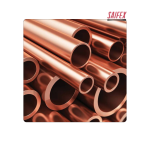
 Copper Nickel Products
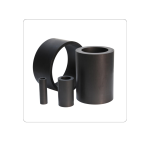 Engineering Polymers
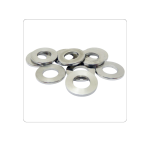 Precision Shims
 Flange Gaurds
Exploring the Characteristics and Applications of Cu-Ni 70/30 (C71500) – A High-Strength Marine Alloy

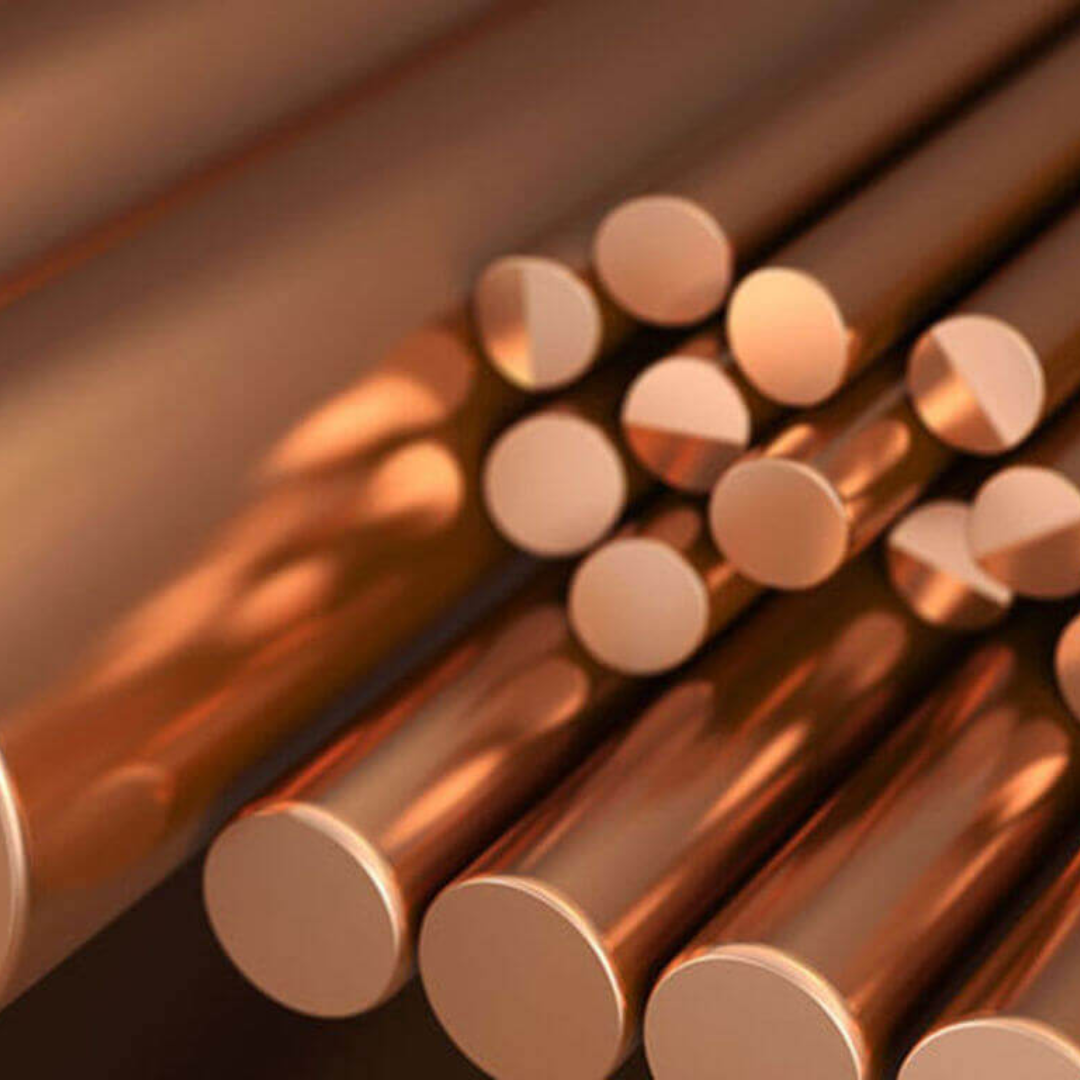
Introduction to Cu-Ni Alloys
Copper-nickel (Cu-Ni) alloys are vital materials widely utilized across various industries due to their exceptional mechanical properties, resistance to corrosion, and ease of fabrication. These alloys primarily consist of a mixture of copper and nickel, where the ratio of these two elements can significantly influence their characteristics and performance in different environments. Among these alloys, Cu-Ni 70/30, also denoted as C71500, is particularly noteworthy for its unique combination of properties, making it suitable for a range of applications.
The designation “70/30” refers to the specific composition of the alloy, containing approximately 70% copper and 30% nickel. This particular ratio endows Cu-Ni 70/30 with high strength and excellent ductility, allowing it to perform well under mechanical stress while retaining its shape and integrity. Additionally, this alloy exhibits remarkable resistance to seawater corrosion, which is critical for marine and offshore applications. The presence of nickel enhances the alloy’s anti-fouling properties, making it an ideal choice for components that are exposed to harsh marine environments.
Copper-nickel alloys are significant not only for their utility in marine applications but also for their roles in other sectors, including chemical processing, power generation, and heat exchangers. The versatility of Cu-Ni 70/30 contributes to its effectiveness in various operational settings, where performance and longevity are paramount. Due to its balance of strength, ductility, and corrosion resistance, Cu-Ni 70/30 is a preferred choice among engineers and designers looking to optimize material selection for demanding environments.
Composition and Properties of Cu-Ni 70/30
Cu-Ni 70/30 (C71500) is a copper-nickel alloy that predominantly consists of 70% copper and 30% nickel. This unique composition endows the alloy with a range of exceptional properties that make it suitable for various marine and industrial applications. The presence of nickel not only enhances the strength of the copper matrix but also significantly improves its corrosion resistance, especially in saline environments.
One of the most notable characteristics of Cu-Ni 70/30 is its impressive strength, which is achieved through the alloying of copper with nickel and small amounts of other elements such as manganese and iron. This high-strength property allows the alloy to withstand demanding mechanical stresses, making it a preferred choice for marine applications like shipbuilding, where structural integrity is paramount.
Corrosion resistance is another defining feature of Cu-Ni 70/30. This alloy exhibits excellent performance against corrosion in seawater and other harsh environments, making it ideal for use in marine fittings, pipelines, and heat exchangers. The protective oxide layer formed on its surface acts as a barrier, which further enhances its longevity and durability under aggressive conditions.
In addition to its strength and corrosion resistance, Cu-Ni 70/30 boasts superior thermal and electrical conductivity. The alloy’s thermal conductivity allows for efficient heat transfer, which is essential in applications such as heat exchangers and condensation units. Meanwhile, its electrical conductivity makes it suitable for various electrical components and systems.
The blend of these properties—strength, corrosion resistance, and conductivity—position Cu-Ni 70/30 (C71500) as a versatile alloy that excels in environments where performance and durability are critical considerations. Its ability to maintain integrity over time in corrosive marine settings exemplifies its reliability and effectiveness as a high-strength marine alloy.
Applications of Cu-Ni 70/30
Cu-Ni 70/30 (C71500) is renowned for its excellent combination of strength, resistance to corrosion, and favorable mechanical properties, making it a highly sought-after alloy in various industries. One of the most prevalent applications of this high-strength marine alloy is in the marine sector, where it is extensively used in the construction of shipbuilding components such as piping systems, valves, and heat exchangers. Due to its superior resistance to seawater corrosion, Cu-Ni 70/30 contributes significantly to the longevity and reliability of marine equipment.
In addition to its marine applications, Cu-Ni 70/30 is also employed in the defense industry. The alloy’s robustness and corrosion resistance are critical in manufacturing components for naval vessels and submarines, where exposure to harsh environments is a constant challenge. The alloy’s mechanical strength, coupled with its reduced susceptibility to stress corrosion cracking, makes it an ideal material for critical defense applications.
The chemical processing industry also benefits from the unique properties of Cu-Ni 70/30 (C71500). Its resistance to a wide range of corrosive environments allows for its use in heat exchangers, distillation columns, and storage tanks, ensuring the safe handling of various chemicals while maintaining structural integrity. Another area of application is found in offshore constructions, including oil rigs and platforms, where the reliability of materials plays a crucial role in operational safety.
Ultimately, Cu-Ni 70/30’s various applications span across numerous sectors, thanks to its remarkable properties that address the specific challenges faced in each industry. The versatility and effectiveness of this high-strength alloy continue to make it a preferred choice among engineers and manufacturers alike.
Advantages of Using Cu-Ni 70/30
Cu-Ni 70/30 (C71500) is widely recognized for its impressive array of benefits that make it a preferred choice in marine and industrial applications. One of the primary advantages of this alloy is its remarkable resistance to stress corrosion cracking. This characteristic is particularly crucial in environments exposed to seawater, where traditional materials may suffer degradation. Cu-Ni 70/30 maintains its integrity where other materials fail, enhancing the longevity and reliability of marine installations.
Moreover, this alloy demonstrates exceptional durability in seawater, ensuring substantial performance in marine applications. Its ability to resist corrosion and biofouling makes it ideal for seawater pipes, marine hardware, and components that are consistently subjected to harsh saline environments. The corrosion resistance not only minimizes maintenance costs but also prolongs the lifespan of tools and machinery, resulting in further economic benefits.
In addition to these properties, Cu-Ni 70/30 is also recognized for its cost-effectiveness in long-term applications. Although the initial investment may be slightly higher than less suitable alternatives, the overall lifecycle costs are significantly reduced due to its durability and resistance to corrosion. This translates into fewer replacements and repairs, making it a more economical choice over time. For organizations operating within budget constraints yet demanding high performance, Cu-Ni 70/30 presents an optimal solution.
In conclusion, the advantages of using Cu-Ni 70/30 (C71500) over other materials are evident, especially when considering its resistance to stress corrosion cracking, ability to withstand harsh seawater conditions, and long-term economic benefits. These attributes solidify its status as a top choice in various industries, particularly those involved in marine applications.
Manufacturing Techniques for Cu-Ni 70/30
The manufacturing of Cu-Ni 70/30 (C71500) encompasses various processes that utilize its unique characteristics, primarily focusing on its excellent corrosion resistance and mechanical strength. The alloy’s remarkable properties make it suitable for several manufacturing techniques, enhancing its versatility across different applications.
One of the primary processes used in fabricating Cu-Ni 70/30 is forging. This technique involves shaping the material through compressive forces, which not only forms the desired shapes but also improves the mechanical properties of the alloy. During the forging process, the recrystallization of the microstructure can occur, resulting in enhanced strength and ductility, crucial for applications in marine environments where the alloy is often employed.
Extrusion is another significant method utilized for Cu-Ni 70/30 (C71500). This process entails forcing the molten alloy through a die to create long shapes, such as rods, tubes, or profiles. The extrusion technique allows for tight tolerances and dimensional accuracy while maintaining the integrity of the alloy’s characteristics. The resulting products display excellent resistance to seawater corrosion, making them ideal for components like pipes and heat exchangers in the marine industry.
Welding plays a crucial role in the further fabrication of Cu-Ni 70/30. Various welding techniques, including gas metal arc welding and tungsten inert gas welding, are used to join this alloy to itself or to other metals. Proper welding practices are essential, as they can influence the corrosion resistance and mechanical properties of the joints. It is important to ensure that the filler materials used during the welding process are compatible with Cu-Ni 70/30 to maintain the integrity and longevity of the final product.
Overall, the choice of manufacturing technique for Cu-Ni 70/30 can significantly impact its performance in real-world applications. Each method alters specific properties, allowing manufacturers to tailor the alloy for diverse uses while adhering to the high standards expected in marine environments.
Working with Cu-Ni 70/30 (C71500) presents several challenges that must be carefully navigated to harness its high-strength properties effectively. Understanding these challenges is essential for engineers and fabricators alike to ensure that the final products meet the required performance standards in marine environments.
One of the primary challenges is the fabrication of Cu-Ni 70/30. Due to its unique composition, this alloy exhibits a higher work-hardening rate compared to other copper alloys. This characteristic can complicate processes such as forming and machining, leading to issues like tool wear and reduced dimensional accuracy. It is crucial to utilize appropriate tooling and machining parameters to mitigate these issues and ensure a smooth fabrication process.
Welding Cu-Ni 70/30 can also present difficulties, particularly concerning its susceptibility to hot cracking. This issue arises when high temperatures create stresses in the weld metal during solidification. To address this, it is recommended to employ specific welding techniques such as TIG (Tungsten Inert Gas) or MIG (Metal Inert Gas) welding, using filler metals designed specifically for this alloy. Preheating the material before welding and post-weld heat treatment can further help alleviate cracking risks.
Proper handling is another critical factor when working with Cu-Ni 70/30. This alloy, while strong, can be sensitive to corrosion if not adequately protected during manufacturing and handling processes. Implementing best practices such as clean work environments and the use of protective coatings can significantly enhance the longevity and durability of the final products.
By addressing these challenges with appropriate strategies and best practices, manufacturers can optimize the performance of Cu-Ni 70/30 (C71500), ensuring its suitability for various applications in demanding marine environments.
Environmental Considerations of Cu-Ni Alloys
As the world increasingly focuses on sustainable practices, the environmental implications of materials like Cu-Ni 70/30 (C71500) present an intricate landscape of benefits and considerations. Cu-Ni alloys, prominently utilized in marine applications, exhibit favorable properties regarding corrosion resistance and longevity, which significantly contribute to their sustainability profile. High-strength marine alloys, such as Cu-Ni 70/30, are not only designed for durability in harsh environments but are also engineered to minimize the ecological footprint.
One of the key environmental advantages of Cu-Ni 70/30 is its recyclability. The alloy can be effectively reprocessed and reused in various applications, thereby reducing the demand for virgin materials. This aspect is crucial, as recycling metals reduces energy consumption and minimizes waste. The circular economy model within the metallurgical industry relies on such recycling capabilities, and Cu-Ni alloys play a pivotal role in this system.
Moreover, the application of Cu-Ni 70/30 in marine environments also brings sustainability benefits. By using this alloy in shipbuilding and maritime infrastructure, operators can extend the lifecycle of vessels significantly. Prolonged operational lifespan coupled with reduced maintenance costs further positions Cu-Ni as a favorable choice. However, it is vital to consider the sourcing of raw materials for Cu-Ni alloys, as responsible sourcing practices are imperative to mitigate negative environmental impacts associated with mining and processing.
In alignment with global environmental policies, the production and utilization of Cu-Ni 70/30 must adhere to regulations aimed at reducing emissions and promoting sustainable practices. Increased awareness and adherence to these policies will ensure that the use of Cu-Ni alloys aligns with environmental stewardship principles. In summary, the environmental considerations surrounding Cu-Ni 70/30 highlight the balance between utility and responsibility, underscoring the alloy’s potential as a cornerstone in sustainable marine engineering.
Future Trends in Cu-Ni Alloy Research
The field of copper-nickel alloys, particularly Cu-Ni 70/30 (C71500), is experiencing significant advancements as researchers and industries explore various avenues for innovation. A notable trend in the research arena is the development of novel alloy compositions designed to enhance specific properties such as strength, corrosion resistance, and thermal conductivity. By experimenting with different metal ratios and the introduction of additional elements, scientists aim to tailor these alloys to meet the specific demands of modern applications.
Additionally, improvements in manufacturing techniques are playing a crucial role in the production of Cu-Ni alloys like C71500. The adoption of advanced processes, such as additive manufacturing and enhanced casting methodologies, enables the creation of components with complex geometries and superior mechanical properties. These techniques not only reduce production costs but also allow for greater customization in alloy design. By optimizing manufacturing practices, industries can achieve more sustainable practices alongside improving the physical performance of these alloys.
Moreover, the growing interest in sustainable and renewable energy technologies has prompted the investigation into the utilization of Cu-Ni alloys in these emerging fields. Research is increasingly focusing on the development of components for offshore wind energy structures, tidal energy converters, and hydrogen production systems that require materials with excellent resistance to seawater corrosion. Cu-Ni 70/30’s unmatched performance in harsh marine environments makes it a prime candidate for such applications. Thus, the intersection of Cu-Ni alloy research with renewable energy signifies an exciting future, where traditional material applications evolve, contributing to more sustainable technological advancements.
Conclusion
In evaluating the unique properties and applications of Cu-Ni 70/30 (C71500), it becomes evident that this high-strength marine alloy plays a significant role in various industries. Known for its superior corrosion resistance, excellent mechanical strength, and significant resistance to biofouling, Cu-Ni 70/30 is particularly prominent in marine applications, where such attributes are paramount. The alloy’s notable ability to withstand harsh marine environments makes it an ideal choice for shipbuilding and the manufacturing of offshore structures.
Moreover, Cu-Ni 70/30 exhibits excellent thermal and electrical conductivity, which enhances its usability in various electrical applications. Its versatility extends beyond the marine industry, as it is increasingly utilized in the construction of heat exchangers and pressure vessels, ensuring its continued relevance across multiple sectors. The alloy’s high strength-to-weight ratio also contributes to its appeal, allowing for lighter designs that do not compromise on durability.
As industries continue to evolve and face increasingly stringent regulations regarding materials and environmental impact, Cu-Ni 70/30 (C71500) stands out with its eco-friendly attributes and sustainability. The reduced need for maintenance due to its exceptional corrosion resistance can lead to lower costs in the long run, supporting not only financial efficiency but also environmental responsibility.
In conclusion, Cu-Ni 70/30 represents a robust solution for modern technological demands. Its unparalleled properties and versatility highlight its importance today and its potential for future innovations in various engineering applications. By prioritizing materials like Cu-Ni 70/30, industries can benefit from improved performance while contributing positively to environmental sustainability.